
Where Did Tacos Originate? The History of Mexico’s Most Iconic Dish
Key Takeaways:
|
If you’ve ever wondered where tacos originated, the answer is Mexico. Tacos have been part of Mexican food culture for thousands of years, with their earliest roots tracing back to Indigenous civilizations that used freshly made corn tortillas to hold and eat food long before the arrival of the Spanish. For readers interested in food history, Mexican culinary traditions, or finding the roots of authentic tacos, that origin story explains why a simple tortilla-and-filling combination became one of the country’s defining dishes.
Unlike many famous dishes, tacos were not invented by a single person or at one specific moment in time. Instead, they evolved gradually as different regions of Mexico adapted the simple combination of tortillas and fillings using local ingredients and culinary traditions. From those Indigenous foundations, this article follows how the word “taco” developed, how Spanish influence shaped later forms, how regional variations spread across Mexico and into the United States, and how authentic Mexican tacos differ from Tex-Mex versions. Understanding where tacos came from offers a deeper appreciation for the history, culture, and craftsmanship behind one of Mexico’s most beloved dishes, and for how it became a global favorite.
What Is a Taco?
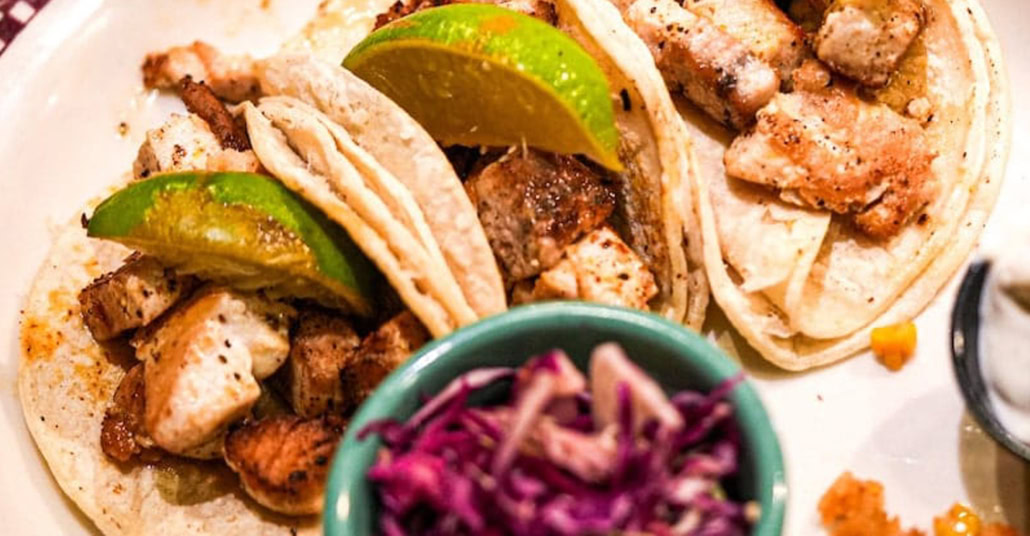
At its simplest, a taco consists of a tortilla folded or wrapped around a filling. Traditional Mexican tacos are most often served on soft corn tortillas and filled with meats, seafood, beans, vegetables, or other fresh ingredients before being topped with onions, cilantro, salsa, lime, or other garnishes.
Although the basic concept is simple, there is no single type of taco. Every region of Mexico has developed its own specialties based on local ingredients, cooking techniques, and cultural traditions. From slow-cooked barbacoa in Central Mexico to fresh fish tacos along the coast, tacos reflect the incredible diversity of Mexican cuisine while remaining one of its most iconic and widely recognized foods.
The Origins of Tacos
Indigenous Roots in Ancient Mexico
The story of the taco begins thousands of years before Spanish colonization, when Indigenous civilizations throughout Mesoamerica relied on corn as one of their most important staple crops. Corn was transformed into dough through a process called nixtamalization, in which dried kernels were cooked and soaked in an alkaline solution before being ground into masa. This process improved both the texture and nutritional value of the corn, making it possible to produce soft, flexible tortillas that became an essential part of daily life.
These freshly made tortillas served as more than just bread. They functioned as edible utensils that could hold a variety of foods, making meals both practical and portable. Indigenous communities filled tortillas with ingredients such as fish, beans, squash, turkey, wild game, insects, and native herbs depending on what was available in their region. While these early meals were not necessarily called tacos, many food historians consider them the earliest ancestors of the modern taco because they followed the same basic concept that continues today.
The Aztecs and Early Taco Traditions
As powerful civilizations such as the Aztecs flourished in central Mexico, tortillas became even more deeply woven into everyday life. Historical accounts suggest that tortillas were commonly used to hold food and make meals easier to eat without utensils. One frequently cited story describes the Aztec emperor Moctezuma using fresh tortillas to hold seasoned foods, though historians continue to debate the details of that account.
Regardless of whether every historical story can be verified, there is little disagreement about the importance of tortillas in Aztec cuisine. They accompanied nearly every meal and provided the foundation for countless combinations of meats, vegetables, beans, chiles, and small fish. For that reason, many historians view these tortilla-based meals as the earliest recognizable versions of what we now call tacos.
Where Did the Word “Taco” Come From?
While the food itself dates back thousands of years, the origin of the word taco is less certain. Historians and linguists have proposed several explanations, with two theories receiving the most attention.
The Silver Miner Theory
The most widely accepted explanation traces the word to Mexico’s silver mining industry during the 18th century. Mexican miners used small paper-wrapped charges of gunpowder to blast through rock while extracting silver ore. In this theory, the Spanish word taco referred to those compact, wrapped explosive bundles.
Many historians believe workers began referring to their rolled tortilla lunches as tacos because they resembled the paper-wrapped explosives used in the mines. These portable meals became known as tacos de minero, or miner’s tacos, and the name eventually spread beyond the mining communities into towns and cities throughout Mexico. It is also one of the most common explanations in the Spanish language history of the term.
The Nahuatl Theory
Another theory, sometimes discussed alongside definitions cited from the Real Academia Española, suggests the word taco may have originated from the Nahuatl word tlahco, which has been interpreted to mean “half” or “in the middle.” Some researchers believe the term could have described the way a filling sits in the middle of a folded tortilla.
Although this explanation is often discussed, historians have not reached a consensus on whether it represents the true origin of the word. Today, the silver miner theory remains the explanation most commonly referenced by food historians, while the Nahuatl connection continues to be viewed as a possible linguistic influence rather than a confirmed fact.
How Spanish Influence Changed the Taco
When Spanish conquistadors arrived in Mexico during the 16th century, they introduced livestock and ingredients that permanently expanded the possibilities for tacos. Beef, pork, chicken, dairy products, and new cooking techniques became part of the local food culture, while Indigenous communities continued making tortillas using the same methods they had practiced for centuries.
Rather than replacing Indigenous cuisine, these new ingredients blended with existing traditions. Tacos began featuring slow-cooked pork, grilled beef, roasted chicken, and eventually cheeses alongside native ingredients such as beans, squash, chiles, tomatoes, and fresh herbs. This combination of Indigenous cooking techniques and Spanish ingredients helped shape many of the taco varieties that remain popular throughout Mexico today.
By building on an already well-established tradition instead of creating an entirely new dish, tacos continued to evolve while preserving the simple foundation that has defined them for thousands of years.
How Tacos Spread Across Mexico
One of the reasons tacos have remained popular for centuries is that there has never been a single “authentic” taco recipe. The tortilla has always served as the foundation, but every region of Mexico has adapted tacos, creating regional variations, to reflect its own ingredients, cooking traditions, and local flavors. That regional diversity is part of what makes Mexican cuisine so rich, with each area contributing distinctive taco styles that have become beloved in their own right.
Central Mexico
Central Mexico is home to many of the taco varieties that people most closely associate with traditional Mexican street food. Slow-cooked meats such as carnitas, made from braised pork, barbacoa, traditionally prepared by cooking meat low and slow until tender, and tacos al pastor have long been favorites throughout the region. Al pastor is made with spit-grilled pork and is traditionally paired with pineapple. Suadero, a thin cut of beef cooked on a flat grill, is another staple that can be found at countless taquerias, especially in and around Mexico City.
As Mexico City grew into one of the country’s largest urban centers, tacos became closely tied to its vibrant street food culture. Vendors serving freshly made tacos from carts and the neighborhood taco stand helped make them an everyday meal that was affordable, flavorful, and available almost anywhere.
Northern Mexico
Northern Mexico developed its own taco traditions shaped by ranching and cattle production. Beef became one of the region’s defining ingredients, leading to popular styles such as carne asada tacos prepared with grilled steak, often using flank steak as a common beef choice.
Although corn tortillas remain an essential part of Mexican cuisine, flour tortillas also became common in northern states where wheat was more widely cultivated. Today, both flour and corn tortillas are enjoyed throughout the region, with the choice often depending on the filling and local custom.
Coastal Mexico
Along Mexico’s coastlines, fresh seafood naturally became the focus of local taco traditions. Fish tacos and shrimp tacos showcase the region’s access to the ocean, often featuring lightly grilled or battered seafood paired with fresh vegetables, citrus, and flavorful salsas.
These coastal variations highlight how tacos evolved to reflect local ingredients rather than following a single nationwide recipe. The same basic format of tortilla and filling remained, while the flavors changed depending on what each region had available.
Southern Mexico
Southern Mexico is known for preserving many Indigenous culinary traditions while incorporating regional meats, native herbs, and distinctive chile-based sauces. Tacos throughout the region often feature ingredients that have been part of local cuisine for generations, creating combinations that differ significantly from those found elsewhere in the country.
This diversity demonstrates that Mexican tacos cannot be defined by one recipe or one style. Instead, they represent a collection of regional traditions that continue to evolve while honoring the history of the communities where they originated.
Why Tacos Became Mexico’s Favorite Street Food
Tacos became one of Mexico’s most popular foods because they were practical as well as delicious. They were inexpensive to prepare, easy to carry, and quick to assemble, making them an ideal meal for workers, families, and travelers alike. A simple tortilla could be filled with almost any available ingredient, allowing cooks to create satisfying meals without unnecessary waste.
As towns and cities expanded, taco vendors became a familiar sight in markets, plazas, and neighborhood taquerias. Fresh tortillas, flavorful meats, and homemade salsas could be prepared throughout the day, giving customers a fast and affordable meal made with local ingredients. Over time, tacos became woven into everyday Mexican life, enjoyed for breakfast, lunch, dinner, and late-night gatherings alike.
How Tacos Came to the United States
Tacos arrived in the United States through Mexican migrants who brought their culinary traditions with them during the late 19th and early 20th centuries. Communities in Texas, California, Arizona, and other parts of the American Southwest introduced authentic Mexican tacos through family-owned restaurants, neighborhood taquerias, and street vendors.
Mexican women known as the chili queens also helped introduce tacos and other Mexican foods to people in Texas cities, with San Antonio serving as a key setting in that history.
As interest in Mexican cuisine grew, tacos became increasingly popular with American diners. Over time, regional adaptations emerged that reflected local tastes and ingredients. While these new styles helped tacos reach a broader audience, they also created distinct differences between traditional Mexican tacos and what eventually became known as Tex-Mex cuisine.
Authentic Mexican Tacos vs. Tex-Mex Tacos
Although they share the same inspiration, authentic Mexican tacos and Tex-Mex tacos represent two different culinary traditions rather than one being more correct than the other.
| Authentic Mexican Tacos | Tex-Mex Tacos |
| Soft corn tortillas | Often hard-shell tortillas |
| Smaller, street-style portions | Larger portions |
| Meat, onion, cilantro, salsa, and lime | Ground beef, lettuce, shredded cheese, sour cream, and tomatoes |
| Regional Mexican recipes | American adaptations inspired by Mexican cuisine |
Traditional Mexican tacos typically focus on a few high-quality ingredients that allow the meat, tortilla, and salsa to stand out. Tex-Mex tacos often incorporate additional toppings and ingredients that became popular in the United States as Mexican cuisine evolved to suit American tastes. Both styles have earned loyal followings, but they tell different stories about the history and evolution of tacos.
Why Tacos Became Popular Around the World
Few foods have proven as adaptable as the taco. The simple combination of a tortilla and filling makes it easy to customize using local ingredients while preserving the core concept that has existed for centuries. Whether filled with grilled meats, seafood, vegetables, or plant-based proteins, tacos can be prepared to suit almost any preference.
Their affordability, portability, and endless variety have helped tacos become one of the world’s most recognizable foods. Today they are enjoyed in countries around the globe, yet they remain deeply connected to the Indigenous traditions, regional diversity, and culinary heritage that first shaped them in Mexico. In 2024, the first taco stand won a Michelin star, showing how tacos now range from street food to internationally recognized dining.
Where to Enjoy Authentic Mexican Tacos
The best tacos begin with fresh ingredients, carefully prepared meats, and warm tortillas made to complement every bite. Traditional toppings such as onion, cilantro, fresh salsa, and a squeeze of lime enhance the natural flavors without overpowering them, allowing each regional recipe to shine.
Whether you prefer carne asada, barbacoa, carnitas, or seafood tacos, they are even better when paired with classic Mexican dishes like mole, tamales, enchiladas, and refreshing aguas frescas. At Red Iguana, you can experience authentic regional Mexican cuisine that celebrates the traditions behind these iconic flavors, from handmade tacos to the restaurant’s famous mole specialties.
Frequently Asked Questions About Taco Origins
What did the first tacos look like?
The earliest tacos were likely simple corn tortillas filled with local ingredients such as beans, fish, squash, turkey, wild game, or insects. They were practical meals made from locally available foods rather than the more elaborate tacos found today.
What is considered an authentic Mexican taco?
Authentic Mexican tacos are typically served on soft corn tortillas and filled with regional ingredients such as grilled or slow-cooked meats, seafood, beans, or vegetables. They are commonly topped with onions, cilantro, salsa, and lime rather than large amounts of cheese or sour cream.
Why do authentic tacos use corn tortillas?
Corn has been a staple crop in Mexico for thousands of years, and corn tortillas made from nixtamalized corn are the traditional choice for most tacos. They also served as edible holders for tacos and other foods. Although flour tortillas are common in northern Mexico, corn tortillas remain the foundation of many classic regional taco recipes.
What’s the difference between Mexican tacos and Tex-Mex tacos?
Traditional Mexican tacos are typically served on soft corn tortillas with a few fresh toppings, such as onion, cilantro, salsa, and lime, that allow the filling to take center stage. Tex-Mex tacos often feature hard-shell tortillas and ingredients like ground beef, shredded cheese, lettuce, and sour cream. Taco Bell and other fast food chains helped popularize the hard-shell style across the United States. Both styles have become popular, but they represent different culinary traditions and reflect the evolution of tacos on either side of the border.
Why are tacos so popular around the world?
Tacos are versatile, affordable, and easy to customize with a wide variety of ingredients. Their portability and adaptability have helped them become one of the world’s most popular foods while remaining an enduring symbol of Mexican culture and cuisine.


