
The History & Origins of Horchata
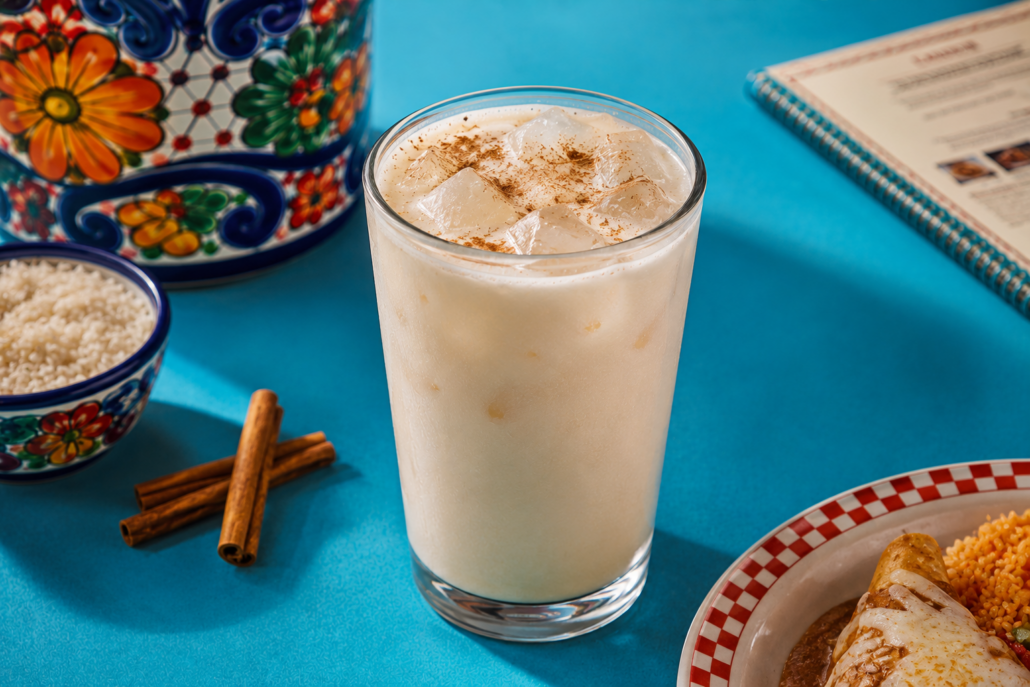
Where Is Horchata From? The Journey From North Africa to Mexico
Key Takeaways:
|
If you’ve ever wondered where horchata is from, the short answer is that it began in North Africa, evolved in Spain, and later became the rice-based drink now closely associated with Mexico. If you’ve ever enjoyed a cold glass of horchata alongside tacos, enchiladas, or mole, that layered origin helps explain why the version served in most Mexican restaurants feels distinctly Mexican, even though it traces back much further.
The earliest ancestors of horchata were simple plant-based beverages made from barley and tiger nuts in North Africa. As the drink spread into Spain, it became known as horchata de chufa, a refreshing tiger nut drink still closely associated with Valencia today. When Spanish colonists brought the tradition to the Americas, local ingredients transformed the recipe into the rice-based horchata that became one of Mexico’s most beloved drinks. For food lovers, home cooks, and curious readers, this guide traces that path from North Africa to Spain to Mexico, then looks at the differences between Spanish and Mexican horchata, regional variations across Latin America, and where to try authentic Mexican horchata. Understanding that history gives the drink more depth, clarifies why its flavors vary from place to place, and adds context to its lasting role in Mexican cuisine and beyond.
What Is Horchata?
Horchata is a sweet, refreshing drink that is typically served chilled, but there is no single recipe that defines it. Instead, horchata refers to a family of beverages made by soaking, grinding, and sweetening grains, seeds, or nuts before mixing them with water and spices. The exact ingredients depend on where the drink is made.
The version most familiar throughout the United States is Mexican horchata, which is traditionally prepared with rice, cinnamon, sugar, and vanilla. Some recipes also include milk or sweetened condensed milk for a richer texture, while others rely entirely on water for a lighter, dairy-free drink. In other parts of the world, horchata may be made from tiger nuts, morro seeds, sesame seeds, almonds, or even herbs and flowers. Although the recipes vary, they all share the same idea of creating a refreshing, naturally flavorful beverage from locally available ingredients.
The Origins of Horchata
Ancient Roots in North Africa
The earliest history of horchata dates back more than 4,000 years to North Africa, where people made refreshing drinks using ingredients that grew naturally in the region. Historians believe these early beverages, often prepared from tiger nuts and barley, laid the foundation for what would eventually become modern horchata.
Despite the name, tiger nuts are not actually nuts. They are small root tubers that grow underground and have a naturally sweet, nutty flavor. When soaked and ground with water, they produce a smooth, lightly sweet drink that closely resembles milk. Their flavor and texture made them an ideal ingredient for early plant-based beverages, and they remain the defining ingredient in traditional Spanish horchata today.
How Horchata Became a Spanish Tradition
The next chapter of horchata’s history began when the drink spread to Spain during 8th-century Muslim rule, bringing tiger nuts and new agricultural practices to the Iberian Peninsula. The crop flourished in the region surrounding Valencia, where local communities embraced the drink and refined it into what is now known as horchata de chufa.
Traditional Spanish horchata is made by soaking tiger nuts, blending them with water, and lightly sweetening the mixture before serving it ice cold. Its name comes from the Latin word hordeata, meaning made from barley. The result is a drink with a light body, subtle sweetness, and naturally earthy, nutty flavor that is quite different from the creamy rice-based version many people know today.
Valencia remains the historic home of Spanish horchata, and the region continues to protect its heritage through a Protected Designation of Origin for locally grown tiger nuts. That designation recognizes the area’s long history of cultivating chufa and producing authentic horchata de chufa using traditional methods.
How Horchata Made Its Way to Mexico
Spanish colonists introduced horchata to the Americas during the 16th century, but they quickly encountered a challenge. Tiger nuts were not widely grown throughout Mexico, making the traditional Spanish recipe difficult to recreate. Rather than abandoning the drink, local cooks adapted it using ingredients that were abundant and affordable.
Rice became the natural substitute because it was readily available and produced a similarly smooth texture when soaked and blended with water, giving rise to horchata de arroz, the most common variety in Mexico. Cinnamon and sugar added warmth and sweetness, while vanilla eventually became a common addition that helped create the familiar flavor profile associated with Mexican horchata today. Over time, each family and region developed its own variation, with some recipes incorporating milk for extra richness and others remaining completely dairy-free.
This adaptation did more than replace one ingredient with another. It created an entirely new style of horchata that reflected Mexico’s own culinary traditions while preserving the refreshing character that made the original drink so popular.
Spanish Horchata vs. Mexican Horchata
Although they share the same name and historical roots, Spanish and Mexican horchata are noticeably different in both ingredients and flavor.
| Spanish Horchata | Mexican Horchata |
| Made with tiger nuts (chufa) | Made with rice |
| Light, earthy, naturally nutty flavor | Creamy, sweet, cinnamon-forward flavor |
| Traditionally associated with Valencia, Spain | Popular throughout Mexico |
| Typically dairy-free | May include milk depending on the recipe |
Why Horchata de Arroz (Mexican Horchata) Became the Most Famous Version
Rice-based horchata spread quickly throughout Mexico because it was inexpensive to make, refreshing in warm weather, and paired perfectly with bold, spicy foods. Its cool, lightly sweet flavor provided a welcome contrast to dishes featuring chiles, rich sauces, and slow-cooked meats, making it a natural companion at the table.
Today, horchata is a staple at taquerias, mercados, family celebrations, and aguas frescas stands across Mexico. It is just as likely to be served alongside everyday meals as it is during holidays and community gatherings. As Mexican cuisine became increasingly popular throughout the United States, horchata traveled with it.
For many Americans, Mexican restaurants provided their first introduction to horchata. As a result, the rice-based version became far more recognizable than its Spanish counterpart. While Spanish horchata remains an important part of Valencia’s culinary identity, Mexican horchata has become the version most people picture when they hear the name.
Other Types of Horchata Around the World
Horchata does not refer to one fixed recipe. As the beverage spread across Latin America, communities adapted it using the grains, seeds, nuts, herbs, and spices available in their regions. These variations can taste very different from one another, but each reflects the same tradition of turning local ingredients into a refreshing, flavorful drink.
Horchata de Morro
In El Salvador, Nicaragua, and Honduras, one of the most common variations is horchata de morro. Instead of rice or tiger nuts, this version is traditionally made with ground morro seeds, which come from the fruit of the calabash tree. Recipes may also include sesame seeds, peanuts, cocoa, cinnamon, and other spices.
Horchata de morro often has a deeper, earthier flavor than Mexican rice horchata. The combination of toasted seeds, nuts, and spices gives the drink a rich and slightly nutty character while maintaining the sweetness and refreshing quality associated with horchata.
Ecuadorian Horchata
In Ecuador, the word horchata can refer to a completely different type of beverage. Horchata lojana, which is associated with the southern province of Loja, is a colorful herbal infusion made with a blend of medicinal herbs, leaves, and flowers. It may be served hot or cold and often has a bright pink or red appearance.
Unlike Mexican and Spanish horchata, Ecuadorian horchata does not typically contain rice or tiger nuts. Its floral, herbal flavor makes it closer to a traditional tea than the creamy beverage served in Mexican restaurants. The shared name shows how widely the meaning of horchata has evolved across cultures and regions.
Other Regional Variations
Other parts of Latin America and the Caribbean have developed their own interpretations of horchata. Some recipes use toasted sesame seeds as the primary ingredient, while others incorporate almonds, peanuts, or different combinations of grains and spices. Modern recipes may also use oats, sunflower seeds, or other plant-based ingredients.
These variations demonstrate why horchata is best understood as a broad category of drinks rather than a single recipe. Each version reflects the ingredients and culinary traditions of the place where it developed.
Where to Try Authentic Mexican Horchata
Freshly prepared Mexican horchata offers a flavor and texture that bottled versions often cannot match. Soaking and blending the rice allows its mild flavor to combine with the sweetness of sugar and the warmth of cinnamon. Depending on the recipe, milk or vanilla may also be added to create a richer and creamier drink.
Horchata is especially enjoyable with bold Mexican dishes because its cool sweetness balances spicy, savory, and deeply seasoned flavors. It pairs well with tacos, enchiladas, chile-based sauces, and slow-cooked meats. Horchata is also an ideal companion for mole, as its light cinnamon flavor complements the sauce’s rich blend of chiles, spices, nuts, and other ingredients.
Experience this classic Mexican drink alongside authentic Mexican cuisine at Red Iguana. A cold glass of horchata provides a refreshing complement to the restaurant’s signature mole dishes, enchiladas, tacos, and other flavorful favorites.
Frequently Asked Questions About Horchata
Where is horchata originally from?
The earliest ancestors of horchata originated in North Africa, where people made beverages from tiger nuts and grains thousands of years ago. The drink later evolved into horchata de chufa in Valencia, Spain. Spanish colonists then brought the tradition to the Americas, where Mexican cooks created a new version using rice.
Is horchata Spanish or Mexican?
Horchata is both Spanish and Mexican, but the two countries are known for different versions. Spanish horchata is traditionally made from tiger nuts and is closely associated with Valencia. Mexican horchata is made primarily from rice and commonly includes cinnamon, sugar, and vanilla.
Why is Mexican horchata made with rice instead of tiger nuts?
Tiger nuts were not widely available in Mexico when the horchata tradition arrived from Spain. Local cooks adapted the recipe by using rice, which was easier to obtain and created a similarly smooth drink when soaked and blended. This substitution eventually became the foundation of Mexican horchata.
What is traditional Spanish horchata made from?
Traditional Spanish horchata, known as horchata de chufa, is made from soaked and ground tiger nuts, water, and sugar. It is usually served cold and has a light, naturally earthy flavor. Unlike many Mexican recipes, traditional Spanish horchata does not typically contain dairy.
Are all horchatas made with rice?
Not all horchatas are made with rice. Spanish horchata uses tiger nuts, while Central American versions may contain morro seeds, sesame seeds, peanuts, or other ingredients. Ecuadorian horchata is an herbal infusion made from flowers and plants rather than rice, nuts, or seeds.
Does authentic horchata contain dairy?
Horchata does not always contain dairy. Traditional Spanish horchata is generally dairy-free, and many Mexican recipes are made with only rice, water, cinnamon, and sugar. However, some Mexican horchata recipes include milk, evaporated milk, or sweetened condensed milk to create a creamier texture, so anyone avoiding dairy should ask how the drink was prepared.
What does horchata taste like?
Mexican horchata has a sweet, creamy, and cinnamon-forward flavor with mild notes of rice and vanilla. Spanish horchata is lighter and has a more earthy, nutty flavor because it is made from tiger nuts. The exact taste varies based on the ingredients, sweetness level, and regional recipe.
What is the difference between horchata and agua fresca?
Agua fresca is a broad category of light, nonalcoholic drinks made by blending water with fruits, grains, seeds, flowers, or other ingredients. Mexican horchata is considered a type of agua fresca because it is usually made by combining rice with water, sugar, and cinnamon. Other common aguas frescas include flavors such as watermelon, hibiscus, tamarind, and pineapple.
How do you make a homemade horchata recipe?
A traditional homemade horchata recipe uses simple ingredients such as white rice, cold water, ground cinnamon, sugar, and vanilla extract. The rice is typically soaked in a bowl, blended with water to create a concentrated mixture, and then strained through a nut milk bag or fine mesh strainer before additional water is added. Some recipes also include almond milk to create a creamier agua de horchata while keeping the drink lactose free and gluten free.
Mexican horchata is typically served cold, especially during the summer months, and it may be prepared for family gatherings, festive occasions, or everyday meals. This delicious drink is one of several popular sweet beverages served throughout Latin American countries, often alongside other aguas frescas such as tamarindo.
How has horchata changed across Latin America?
Horchata appears in various forms throughout Mexico and other Latin American countries because each region adapted the drink using local ingredients. Mexican horchata generally uses white rice, while some Central American versions are made with ground seeds, nuts, sesame, or spices. These regional recipes reflect a much longer history that may include early tiger nut beverages prepared in ancient Egypt before horchata later developed in Spain and the Americas.


