
What is Mole?
What Is Mole Sauce?
The Real Story Behind Mexico’s Most Iconic Sauce and Red Iguana’s Legendary Tradition
Mole (pronounced “MOH-lay”) is one of the oldest and most meaningful sauces in Mexican cuisine. The word comes from the Nahuatl term molli, which simply means “sauce.” But anyone who has tasted a true mole knows it is much more than that. Mole is a complex blend of dried chiles, nuts, seeds, spices, fruits, and aromatics cooked down into a velvety, deeply layered sauce.
It can be sweet, smoky, spicy, earthy, or bright depending on where it comes from and who is making it. It can take hours or, in its most traditional form, days. And every cook, every region, and every family has a version they swear by.
At Red Iguana, mole isn’t just a dish. It is our history, our pride, and a story we almost lost forever.
The Sacred Place of Mole in Mexican Culture
Long before mole reached restaurant menus, it carried spiritual weight. Early records from the colonial period describe moles being served at ceremonies and placed as offerings for the dead. Families still prepare it for baptisms, quinceañeras, weddings, birthdays, and national celebrations. Mole marks life’s turning points.
Preparing mole by hand is its own ritual: roasting, grinding, stirring, tasting. A true batch takes time and patience. Traditionally, several generations of women worked together through the entire day to create a sauce worthy of a feast. Those moments built family bonds as much as they built flavor.
So… What Is Mole Made Of?
There is no single “right” mole. But most mole sauces begin with a familiar foundation:
- Dried chiles like ancho, guajillo, mulato, pasilla
- Seeds and nuts such as pumpkin seeds, sesame seeds, peanuts, almonds
- Warm spices including cinnamon, cloves, allspice, coriander
- Aromatics like garlic, onions, tomatoes, or tomatillos
- Fruits such as raisins or ripe plantains
- Chocolate or cocoa, but only in certain styles. Not all moles include it
Everything is toasted, charred, or fried to bring out its deepest flavor, then blended into a smooth mixture and simmered until thick.
The final sauce can have thirty ingredients or five. It can be bold and fiery or soft and sweet. That range is what makes mole the soul of Mexican cooking.
What Does Mole Taste Like?
There is no single answer, and that is the beauty of it. Mole is a complex blend of flavors that builds with every bite:
- Sweet notes from dried fruits
- Smoky warmth from roasted chiles
- Earthiness from nuts and seeds
- Subtle heat that lingers without overwhelming
- Bittersweet tones from cocoa or Mexican chocolate
The texture is always smooth and velvety, never chunky. A good mole stays balanced through all of its layers.
How Do You Use Mole?
Throughout Mexico, mole is treated as a finishing sauce, poured generously over meats or vegetables rather than used as a stew base. It shines over:
- Chicken
- Pork
- Turkey
- Beef
- Enchiladas
- Rice and beans
- Eggs
- Vegetables
In many homes, mole is used for many occasions, including Sunday dinner or the star of a birthday or holiday feast.
The Many Types of Mole
Mexico has dozens of recognized moles, and each region has its own masterpieces. Some of the most beloved include:
Mole Poblano
Dark, rich, and iconic. Often includes chocolate, nuts, and dried chiles.
Mole Negro
Oaxaca’s deep, smoky king of moles is made with charred ingredients and Mexican chocolate.
Mole Verde
A bright green sauce built from fresh herbs, green chiles, and pumpkin seeds.
Mole Amarillo
A golden, fiery sauce with tomatoes, yellow chiles, and bold spice.
Pipian Rojo and Pipian Verde
Nut- and seed-based moles with smooth, earthy depth.
Every mole carries the flavor of its region and the history of the hands that make it.
How Mole Is Made (The Short Version)
Traditional mole takes time, but the method is always the same:
- Toast dried chiles, nuts, seeds, and spices until fragrant.
- Char tomatoes, tomatillos, onions, and garlic in a hot pan.
- Blend everything into a smooth paste.
- Simmer low and slow until the flavors deepen and the sauce reaches the desired consistency.
- Serve over warm, tender meat or vegetables.
Every step builds flavor. Every ingredient matters.
The Red Iguana Mole Legacy: The Recipes That Almost Disappeared
Mole is the heart of Red Iguana. It shaped our menu and our family story. But at one point, it was nearly lost forever.
For decades, the moles existed only in the mind and intuition of one man: Ramon Jr. He cooked by memory and taste. Nothing was written down or documented.
When he passed away unexpectedly, so did the only record of our family’s most important recipes.
Realizing how close we were to losing everything, the Red Iguana kitchen team gathered together with Ramon Sr. and began the painstaking process of rebuilding each mole from scratch. There were no instructions or measurements. Only taste and memory.
Batch after batch, hour after hour, they roasted, ground, blended, and tasted until every mole returned to life. It was a labor of love, made possible through sheer persistence.
Those recipes now live on, protected and still crafted with the same care that built our legacy.
The six moles that made Red Iguana famous
Each mole tells its own story through complex layers of flavor. Here’s your guide from approachable classics to bold adventures. Which one will you choose?
1. Mole Coloradito
Think of this one as the perfect gateway mole. It’s warm, toasted chile flavors without the intensity, ideal for newcomers to the mole experience. Pine nuts, almonds, peanuts, sesame seeds, dried ancho and guajillo chiles are blended with fresh chile poblano and Mexican chocolate, served with succulent carnitas.
2. Mole Poblano
Puebla’s beloved mole is Mexico’s national dish. Guajillo and ancho-dried chiles, peanuts, sesame seeds, walnuts, raisins, bananas, and Mexican chocolate create a perfectly balanced sauce, tossed with turkey. Rich yet approachable, with gentle heat and subtle chocolate undertones.
3. Red Pipian
A pumpkin seed sauce made with dried chile guajillo, peanuts, pepitas, onions, and tomatoes, tossed with chicken. It features an earthy, nutty profile with a smooth, velvety texture that’s both comforting and complex.
4. Mole Verde
Vibrant and herbaceous with a creamy texture, this green sauce delivers fresh flavors in every spoonful. It features chile poblano and jalapeño, blended with pepitas, sesame seeds, basil, onions, lettuce, zucchini, and avocados, and tossed with turkey or chicken.
5. Mole Negro
The king of moles! This luxurious, dark sauce combines dried chile mulato, negro pasilla, Mexican chocolate, raisins, peanuts, walnuts, and bananas, and is tossed with chicken or turkey. Deeply complex with smoky, sweet, and earthy notes that build with each bite.
6. Mole Amarillo
Golden raisins, yellow tomatoes, yellow zucchini, guajillo, aji, and habanero chiles make this mole a fiery favorite, tossed with chicken. Bright and bold with serious heat that’s tempered by fruity sweetness — not for the faint of heart!
Seasonal Moles and Special Creations
Beyond our regular rotation, Red Iguana also creates seasonal moles that celebrate fresh flavors throughout the year. Our pumpkin mole appears during fall harvest season, while our strawberry and blueberry moles are a taste of something new during berry seasons. These dishes are only offered for a limited time, but that doesn’t mean they’re any less delicious (or addictive) than our signature recipes.
Your Mole Obsession Starts Here
At Red Iguana, we’re not just serving Mexican cuisine. We’re serving centuries of tradition, regional pride, and family heritage in every spoonful. Come taste the sacred sauce that connects us all to Mexico’s rich cultural tapestry. Your mole obsession awaits!
The mole addiction
It’s true that many Red Iguana customers develop an affinity for a particular mole. “It’s our business plan,” says owner Bill Coker, “we get people addicted.” It’s not uncommon for regular patrons to order their favorite at least once a week, coming back again and again for that unforgettable taste of sweet, savory, and spicy, all in one bite.
Owner Lucy Cardenas was first introduced to mole by her mother. “If I’m not mistaken, she was the first person to introduce moles here in Salt Lake,” she says. Lucy’s favorite mole is the Red Pipian. “I like how smooth it is.” Bill’s favorite is the Mole Amarillo. “It’s amazing with seafood.”
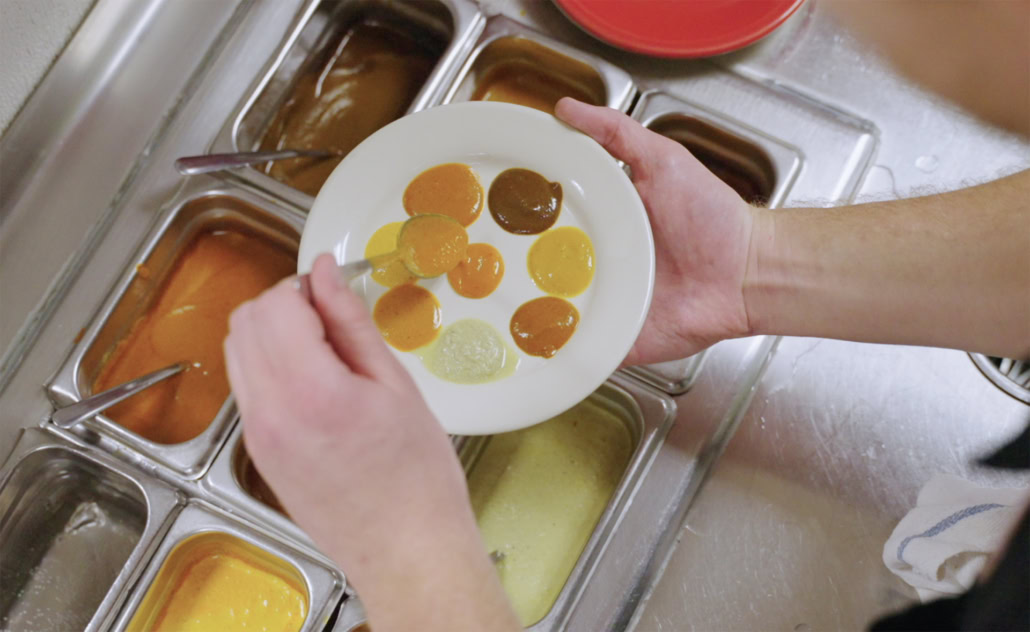
Whether you’re drawn to the deep chocolate notes of our Mole Negro or the bright, herbaceous flavors of our Mole Verde, each recipe offers a different journey through Mexico’s culinary landscape. And if you’re not sure which one speaks to you the most, try our mole sampler before making a decision.
[QUOTES]
“This place lives up to the hype. Great menu. Great food. Fun Mexican vibe. Totally worth the visit. And a return visit. The mole, oh the mole. I didn’t know which to choose. So the waitress brings out a plate with dabs of each mole to sample. Difficult to choose, they are all so wonderful! So, so good! Best molé I’ve ever had. I can’t wait for my next visit.” ~ Brad H.
“The Pistachio Mole was Fuego.” ~ Craig H.
“Still the best Mexican food in Salt Lake City. No one has better tacos or mole options and the staff are always so friendly despite being wicked busy.” ~ Misty S.
“Hands down the best mole amarillo I have ever had. Honestly, the best type of mole I’ve ever had.” ~ Rob H.
“BEST MOLE EVER!!!! I’m a mole snob given that my Abuela makes homemade mole and this is very comparable!!!!” ~ Andrea O.


